
Plumbing Services: A Helpful Guide
Reliable Plumbing Services: Your Guide to Home & Commercial Care
When your plumbing works perfectly, it’s easy to take it for granted. But the moment a pipe bursts, a drain clogs, or your water heater goes cold, you quickly realize just how vital a functioning system is to your daily life. Whether you are dealing with a midnight emergency or planning a long-overdue bathroom remodel, finding trustworthy, high-quality plumbing services shouldn't be a stressful guessing game.
This comprehensive guide is designed to help you navigate everything you need to know about professional plumbing services—from identifying common household issues to knowing when to call in the experts.
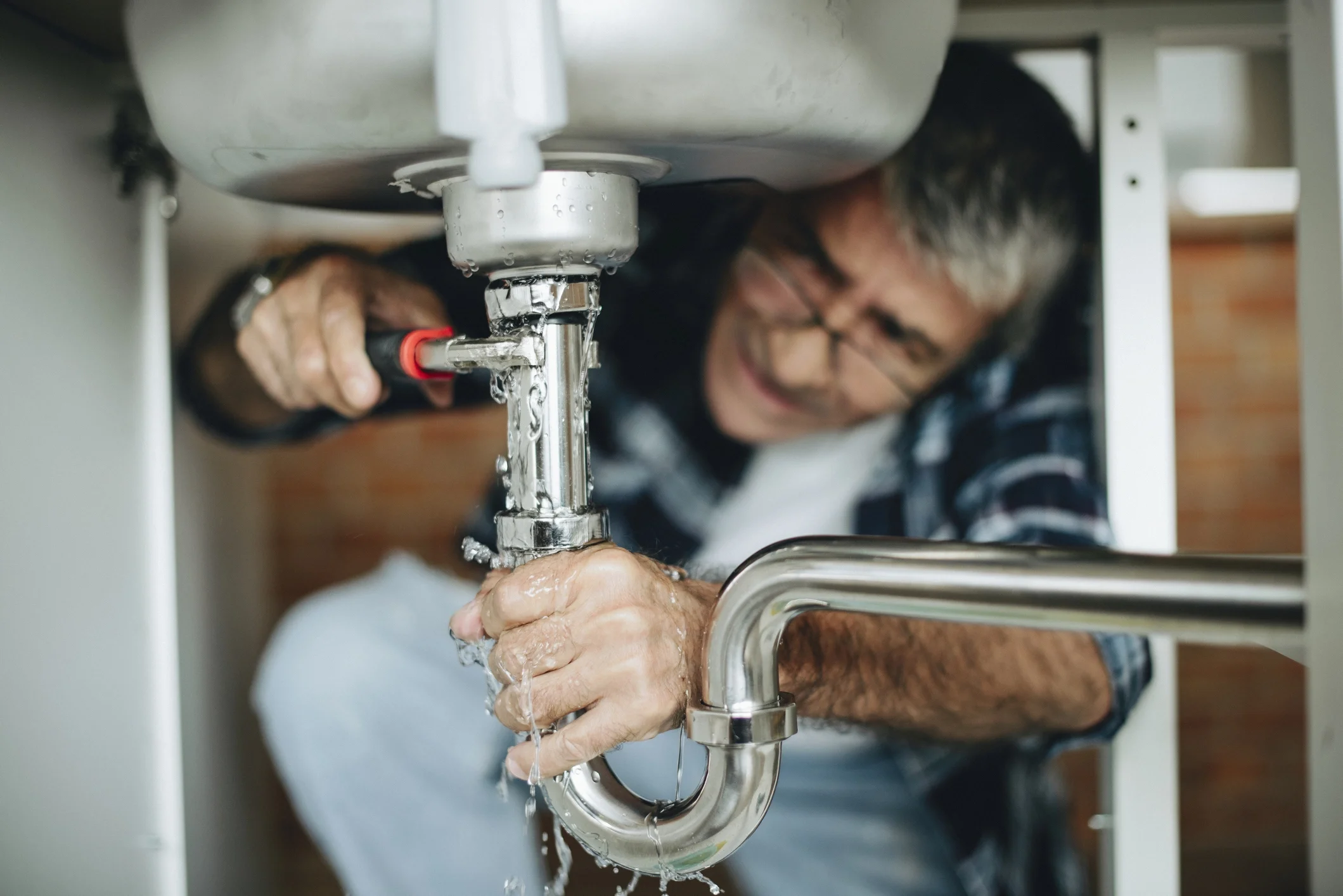
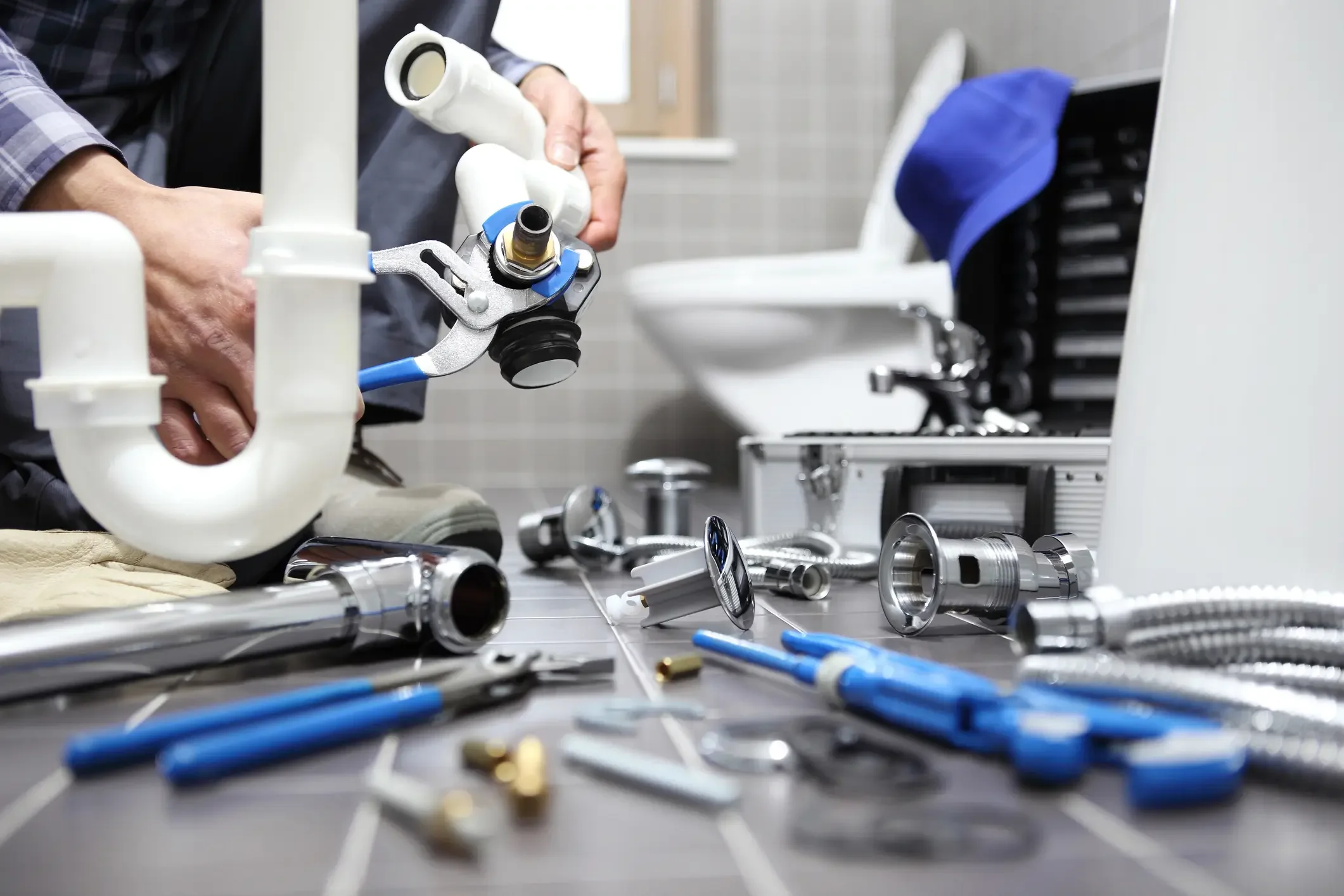
The Importance of Expertise: Professional Plumbing Services
A property’s plumbing system is a complex network of supply lines, waste pipes, and specialized fixtures to deliver clean water and safely remove waste. Whether it’s a high-traffic commercial building or a residential home, the integrity of this system is fundamental to the structure's health and the occupants' safety.
Professional plumbing services go beyond simple leak repairs; they encompass a holistic approach to mechanical maintenance, code compliance, and system optimization. By prioritizing expert oversight, property owners can prevent the catastrophic costs of water damage, mold remediation, and emergency system failures.
Why Should You Hire Professional Plumbers?
In an era of DIY tutorials, it is tempting to view plumbing as a weekend project. However, this regulated trade requires a deep understanding of complex piping systems, material science, and local building codes. Attempting to fix a plumbing issue without professional training often results in "cascading failures," where a small mistake leads to a much larger, more expensive disaster.
Professional plumbers bring more than just tools to the job; they bring diagnostic precision. Using advanced technologies like fiber-optic drain cameras and acoustic leak detectors, they can identify the root cause of a problem without destructive testing or guesswork.
In addition, a plumber ensures that your home remains compliant with insurance requirements and local laws. From accurate diagnosis to long-term warranty protection, hiring professional plumbing companies is essential to your home's structural integrity. Here are some benefits to expect:
Safety: Managing gas lines and high-pressure water pipes poses serious risks, such as gas leaks and flooding. Hiring professionals reduces these hazards, ensuring safety for your home and family.
Compliance: Professionals ensure that all work meets legal standards, giving you confidence in the quality and legality of your plumbing system.
Cost-Effectiveness: While DIY repairs may seem cheaper, they can lead to bigger problems down the line. A professional's durable repairs save you money over time by reducing the need for frequent service calls and preventing costly damage.
What Should You Expect During a Professional Plumbing Inspection?
Many property owners only call a plumber during an emergency. However, the most cost-effective way to manage your plumbing system is through proactive inspections. This systematic evaluation helps determine its condition and identify "silent" issues like slow leaks, high water pressure, or early-stage pipe corrosion.
During a standard plumbing inspection, a technician will perform a multi-point evaluation. This includes checking the water pressure and inspecting all exposed pipes for signs of "pitting" or corrosion. They will also test every shut-off valve to ensure they aren't seized by mineral deposits. Understanding what to expect during a professional plumbing inspection helps you stay ahead of the curve, extend the lifespan of your fixtures, and avoid the stress of unexpected repairs.
When Should You Call an Emergency Plumber?
Time is the most critical factor during a plumbing failure. A typical leak might wait until a scheduled appointment, but an emergency requires immediate intervention to mitigate more serious issues, such as property damage and potential health risks. Recognizing the red flags of a system in distress can save you thousands of dollars in restoration costs.
Some common indicators of a plumbing emergency include gurgling sounds from your drains, which often signal a main sewer line blockage, and the distinct smell of raw sewage or gas. Additionally, if you experience a total loss of water or an uncontrollable leak that a local shut-off valve cannot stop, you are in a high-risk situation.
Understanding when to call an emergency plumber is essential for every homeowner, as a rapid response helps prevent structural rot and mold growth. Watch out for the following:
-
This serious health hazard can result from clogs in the main sewer line, allowing toxic waste to enter your home. Professional help is necessary for safe cleanup.
-
Pipes can burst due to freezing or excessive pressure, resulting in rapid flooding, especially in basements. Immediate plumbing assistance is crucial to prevent extensive damage to your property.
-
A sudden loss of water may indicate a failure in the supply line or a serious underground leak. Promptly contacting a plumber can help identify the source of the problem and restore your water supply.
When Should You Replace Old Plumbing?
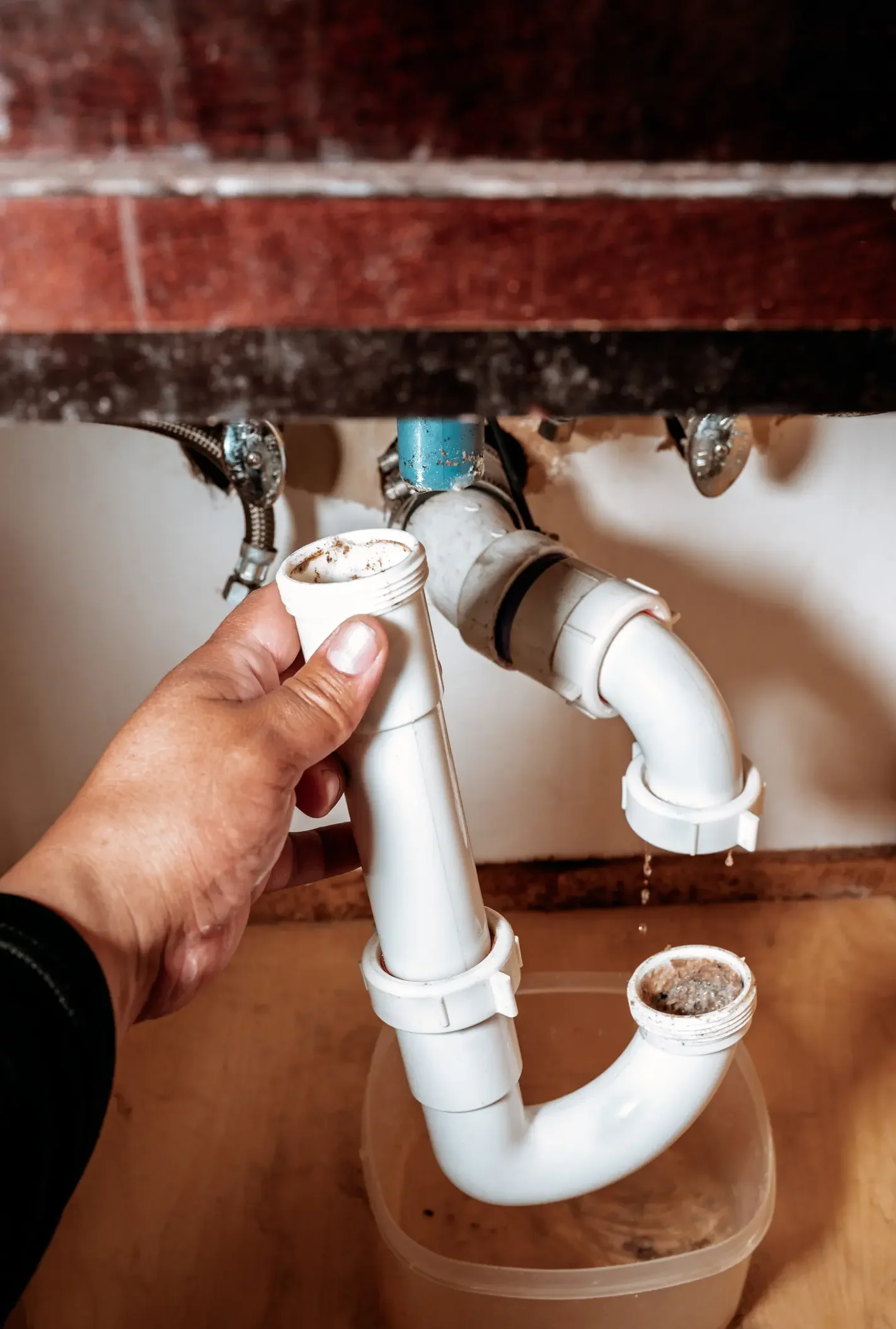
Plumbing systems are not immortal. Depending on the materials used during construction—whether it’s galvanized steel, lead, or polybutylene—they can wear over time. If your home was built several decades ago, your pipes may be reaching the end of their functional life.
Aging piping doesn't just leak; it can also contaminate your water supply with heavy metals or rust, posing safety risks. Some signs that your system could be failing from the inside out include:
Discolored water
Persistent low pressure
Frequent leaks in different areas of the house
While a full repipe is a significant investment, it is often more cost-effective than the cumulative cost of repeated emergency repairs and the potential for a catastrophic flood. Knowing when to replace old plumbing is a key part of maintaining a functional system.
-
Plumbing upgrades offer some of the highest returns on investment in the real estate market. Modern buyers are looking for homes that are "smart," efficient, and low-maintenance. By upgrading key components of your plumbing system, you can increase your home's value while lowering your monthly utility bills.
High-impact upgrades include smart leak-detection systems that automatically turn off your water supply if a leak is detected, and low-flow fixtures that reduce water consumption without sacrificing performance. Touchless faucets and high-efficiency toilets are also popular choices that appeal to modern aesthetic and hygienic standards. Exploring the top value-adding plumbing upgrades for your home is a smart move for any homeowner planning to sell or simply looking to modernize their living space.
-
A bathroom remodel is more than just picking out new tiles and vanities; it is still a complex plumbing project. It’s crucial to ensure that the foundational elements of the bathroom—the pipes, vents, and drains—are properly designed to accommodate the modern fixtures you intend to install.
Key considerations include pipe sizing; for example, upgrading a shower drain to a 2-inch pipe can prevent standing water issues common in high-flow walk-in showers. Proper venting is also essential to ensure drains flow freely and prevent sewer gases from entering the home.
In addition, the layout must account for the existing stack to avoid high costs in moving main lines. Reviewing these essential considerations for your bathroom plumbing remodel ensures that your new space is as functional as it is beautiful.
-
Tankless water heaters have gained significant popularity in recent years, primarily because of their energy efficiency and the convenience of an uninterrupted supply of hot water. Also known as an "on-demand heater", these units only activate when you need them, leading to reduced energy consumption and lower utility bills over time. Without a bulky tank, tankless systems can also be installed in smaller areas, making them ideal for homes with limited space.
While the initial installation cost of a tankless water heater is higher than that of a traditional unit, the long-term benefits are significant. However, these units are not always right for every home, as they may require upgrades to your gas line or electrical panel. Deciding whether you should install a tankless water heater in your home requires an analysis of your hot water needs and long-term energy goals.
-
Regular maintenance is vital for keeping your tankless water heater efficient. These units heat water rapidly through a heat exchanger, making them highly susceptible to mineral buildup, especially in areas with hard water. This type of water contains excess minerals, such as calcium and magnesium, which can accumulate and form scale on internal components. This scaling can lead to overheating and, ultimately, system failure.
To maintain your tankless water heater, you typically need to perform an annual flush using a descaling solution to remove mineral deposits. Plus, you should check the air intake and exhaust vents for obstructions, and clean the internal water filter regularly.
Neglecting these maintenance tasks can void your warranty and significantly shorten your unit's lifespan. Protect your unit and ensure consistent performance by following our essential maintenance tips for your tankless water heater. -
A leaking water heater is more than just an inconvenience; it can be a warning that a total tank failure may be imminent. This plumbing issue often arises from several specific causes, ranging from simple loose connections to severe internal corrosion. Prompt identification of the leak source can help prevent significant water damage or flooding.
Common causes of water heater leaks include corrosion of the internal tank lining, excessive internal pressure, and loose connections at the inlet and outlet pipes. Understanding these signs enables you to act swiftly, potentially saving your basement from water damage. For instance, if the bottom of the tank is leaky, it typically indicates that it has rusted through and needs immediate replacement. Read our blog to learn more about what causes a leaking water heater.
Proactive Protection: Seasonal Care and Routine Maintenance
Most homeowners view their plumbing system as a "set it and forget it" feature—pipes hidden behind walls and under floors that simply perform their job without intervention. However, plumbing is a dynamic system that responds profoundly to its environment. From the expansion of pipes during a summer heatwave to the high-pressure risks of a winter freeze, your home’s infrastructure is in a constant state of flux.
The secret to avoiding catastrophic water damage and expensive emergency repairs is seasonal care and routine maintenance. By performing small, strategic checks throughout the year, you can identify "silent" failures—such as pinhole leaks or failing sump pumps—before they escalate into high-cost disasters. Here are some helpful topics to get you started:
Common Plumbing Problems in Spring
As the ground shifts and outdoor water use escalates, underlying vulnerabilities within your plumbing system frequently surface. Understanding these issues before they escalate can mean the difference between a quick fix and an expensive emergency excavation.
-
In spring, trees and shrubs wake from their winter dormancy. In their search for moisture and nutrients, root systems expand rapidly. Underground sewer lines—which carry warm, nutrient-rich water—are prime targets. Even the smallest hairline crack or loose joint in a sewer pipe can release vapor that attracts roots. Once inside, the roots grow quickly, acting as a web that traps toilet paper, grease, and debris. This leads to slow drains, gurgling toilets, and eventually, raw sewage backups into your home's lowest drains.
-
Spring is notorious for heavy rainstorms and melting snow, which rapidly raise the local water table. Your sump pump is your basement's primary defense against flooding. If a pump has a stuck float switch, a failed motor, or a clogged discharge line, it will fail at precisely the moment you need it most. Testing your sump pump before the spring rains hit is critical to avoiding a flooded basement and extensive mold remediation.
-
You might have closed your outdoor hose bibs for the winter, but if residual water was trapped inside the pipe, it likely froze and expanded. When you turn on your outdoor spigots for the first time in the spring, you may discover hidden leaks behind your drywall or within your crawlspace. In addition, shifting soil from freezing and thawing cycles can put structural stress on underground water lines, leading to minor fractures that manifest as sudden drops in water pressure or unusually lush, soggy patches in your yard.
Safeguard your home against these seasonal hazards! For a comprehensive breakdown of what to watch out for this season, read our full article on common spring plumbing problems to keep your home safe, dry, and running smoothly.
How to Prepare Your Plumbing for Spring Thaw
As spring approaches, homeowners should prepare their plumbing systems for the thaw that follows winter. This transition can create challenges, especially if freezing temperatures have damaged pipes. A thorough inspection and a few proactive steps can help ensure your plumbing remains in good condition.
Check Indoor Plumbing
Start by inspecting your indoor plumbing for signs of damage, such as cracks, leaks, or damp spots. Focus on areas prone to freezing, like basements and crawl spaces. Don’t forget to examine appliances that use water—like washing machines and dishwashers—for any worn hoses or potential leaks.
Inspect Outdoor Plumbing
Next, look at your outdoor plumbing. Drain and store garden hoses properly and check outdoor faucets for cracks. If you have an irrigation system, ensure it is drained for the spring thaw.
Gutters and Downspouts
Also, clear any debris from gutters and downspouts to maintain proper water flow. Make sure downspouts direct water at least 6 to 10 feet away from your foundation to prevent flooding or water intrusion.
Preventative Measures
Consider insulating exposed pipes and checking your sump pump to ensure it’s ready for increased water flow due to melting snow.
For more tips on preparing your plumbing for the spring thaw, check our blog. These simple steps can help you avoid unexpected plumbing issues as the season changes.
-
Fall is the golden window for plumbing maintenance. It is the period where the weather is mild enough to perform outdoor work, yet the urgency of the coming winter provides a necessary deadline. Fall maintenance is almost entirely focused on "winterization"—the process of protecting your pipes from the catastrophic effects of freezing temperatures.
The most critical task in the fall is the disconnection of garden hoses. Left attached to an outdoor spigot, the hose traps water inside the faucet assembly. When that water freezes, it expands and cracks the pipe inside your wall, often leading to a flood the following spring.
Fall is also the ideal time to flush your water heater. As the ground temperature drops, your unit has to work harder to supply hot water. Removing sediment buildup in the tank ensures maximum efficiency and prevents the unit from burning out during the high-demand winter months. Following our fall plumbing maintenance tips is an effective way to be informed and avoid mid-winter pipe issues.
-
Professional plumbers universally recognize Thanksgiving as the busiest day of the year. The combination of heavy meal preparation, high-fat ingredients, and a house full of guests places an unparalleled strain on your kitchen drain and garbage disposal. Understanding what your system can handle—and setting firm boundaries for your kitchen helpers—is the key to keeping your holiday stress-free.
One of the major causes of Thanksgiving drain emergencies is the improper disposal of fats, oils, and grease (FOG). When liquid grease from a roasted turkey or gravy pan is poured down the sink, it may appear to flow harmlessly. However, as soon as it hits the cold wastewater pipes beneath your home, it can cool down and solidify into a thick, waxy sludge. This could then cling to the pipe walls, trapping food particles and quickly blocking off the entire drain line.
Preventative measures, including careful food disposal practices and ensuring that guests are mindful of plumbing limitations, will help maintain a smooth flow throughout the holiday season. Discover how to keep your kitchen running perfectly during the holidays by checking out our tips to avoid Thanksgiving plumbing disasters.
-
When the temperature drops below freezing, the physics of water becomes your plumbing's greatest enemy. Water is one of the few substances that expand when they freeze. If that expansion occurs within a rigid copper or PVC pipe, the pressure can exceed 3,000 PSI—far more than any piping is designed to withstand. The result is a burst pipe that may not be discovered until the ice thaws, leading to massive flooding.
Protection during a deep freeze requires a two-pronged approach: insulation and circulation. Pipes located along your exterior walls or in unheated areas must be insulated with high-quality foam or fiberglass sleeves. During extreme cold snaps, circulation is key. By allowing a faucet to drip slightly, you relieve the pressure buildup between the ice blockage and the fixture, preventing the pipe from bursting even if it does freeze. Read our blog on how to protect your plumbing from the cold to prepare for winter. -
The holiday season often brings more guests, increased cooking, and higher water usage, which can place extra strain on your plumbing system. Preparing in advance with a professional inspection can help ensure your mechanical systems can handle the surge in volume without failing at the most inconvenient moment.
Effective holiday preparation involves an audit of your most vulnerable fixtures. This includes testing the garbage disposal to ensure the blades are sharp and clear of old debris, and checking every toilet flapper for a tight seal to prevent thousands of gallons of wasted water.Educating your guests on what not to flush, like excessive toilet paper and feminine products, which are the leading causes of holiday sewer backups, can also prevent toilet blockages. By implementing these maintenance tips for the holidays, you can focus on your family and guests rather than the stress of an emergency service call during festivities.
A reliable plumbing system requires a proactive approach to maintain its functionality, efficiency, and longevity. By combining your knowledge and understanding of professional services, routine inspections, smart upgrades, and seasonal maintenance, you can protect your property from unexpected disasters. If you need further assistance or expert advice, our plumbing team is here to help.